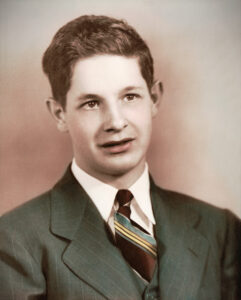
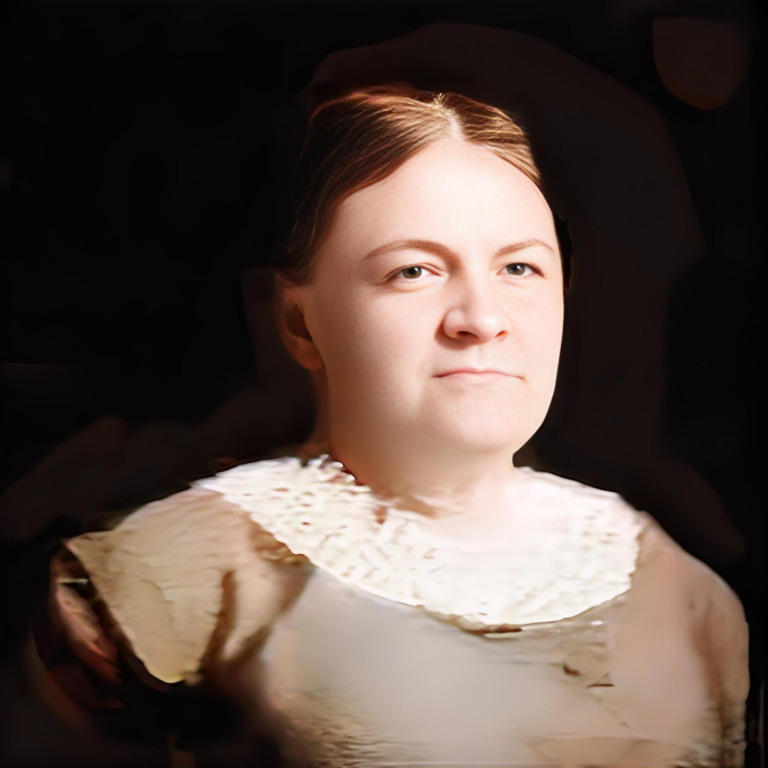

Phebe Hathaway Bowman Fausel was born into the rough edges of pioneer Oregon, where survival depended on hard work and a stubborn will. Her life is a story of determination, grit, and the steady drive to keep moving forward through loss and change. Her name appears in records as both “Phebe” and “Pheobe,” but she clearly preferred “Phebe,” signing it that way on Christian Fausel’s pension papers.
From her early years in the small but growing town of Milwaukie, Oregon, to her later days in Portland, Phebe’s life followed the course of Oregon’s settlement years, grounded in family, shaped by long days of work, and the desire to create a better future. Her story stands with those of the many everyday men and women who built the Pacific Northwest through their labor and perseverance.
Early Life in Milwaukie, Oregon
Phebe Hathaway was born in 1849 in Milwaukie, Oregon, a place bursting with life and opportunity. Her parents, Daniel and Phebe Hathaway, had made the long, hard journey west to the Oregon Territory, looking for a new start.
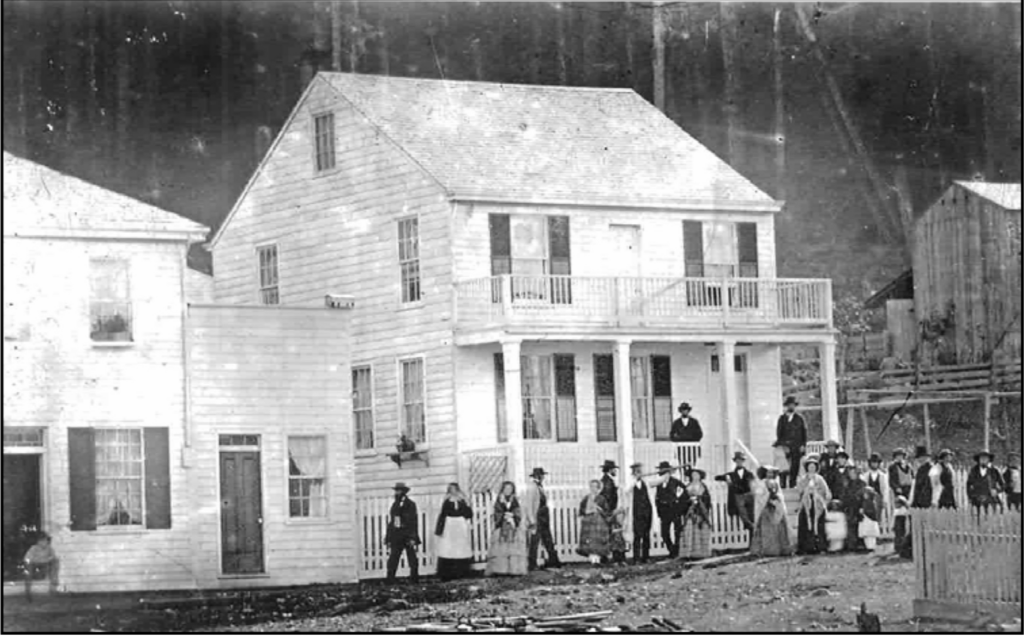
Phebe’s childhood was touched by loss early on. Her mother died when she was just two years old, leaving her father to raise her in a frontier town still finding its footing. By the early 1850s, Milwaukie had about 500 residents. Streets were muddy and lined with stumps, but progress was already taking root. It even had its own short-lived newspaper, the Western Star, along with a growing sense of permanence.
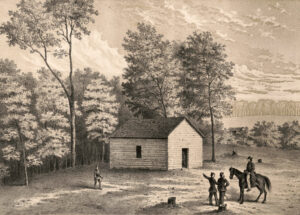
Phebe likely attended the small schoolhouse built in 1851, a place where children learned reading and arithmetic together with the practical skills of pioneer life. The most valuable education, though, came from daily life, helping with chores, watching her father work, and being part of a close-knit community.
The Kellogg and Hathaway Families
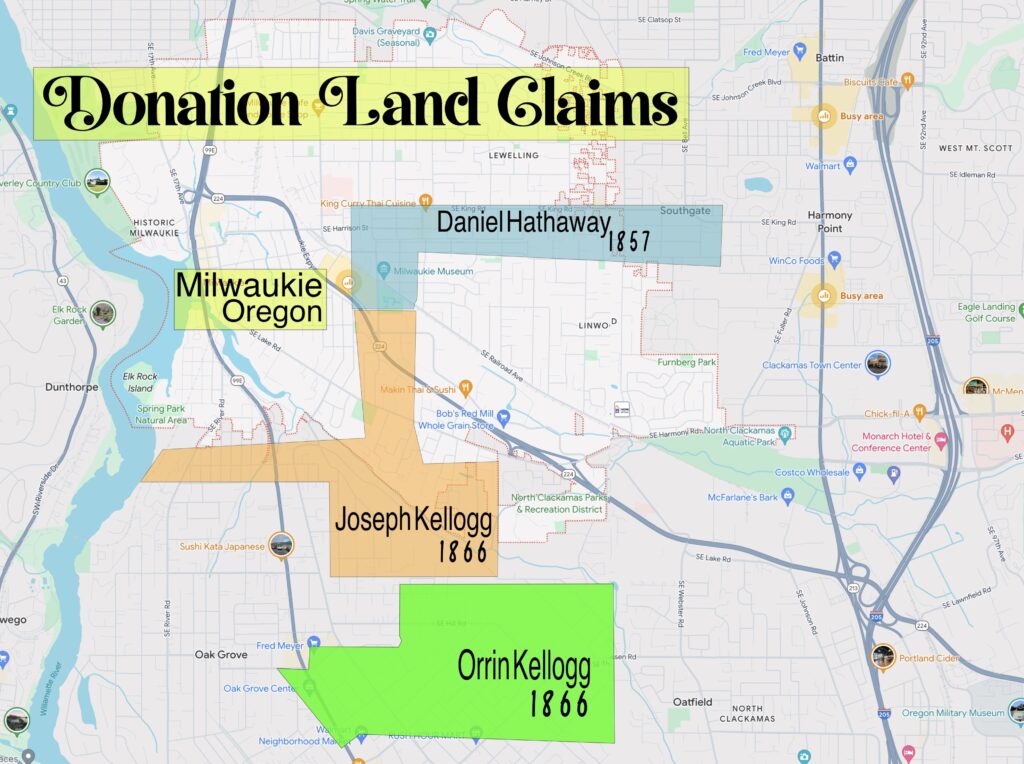
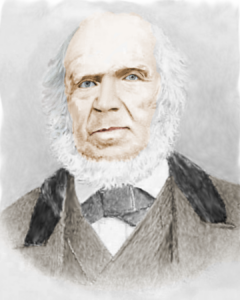
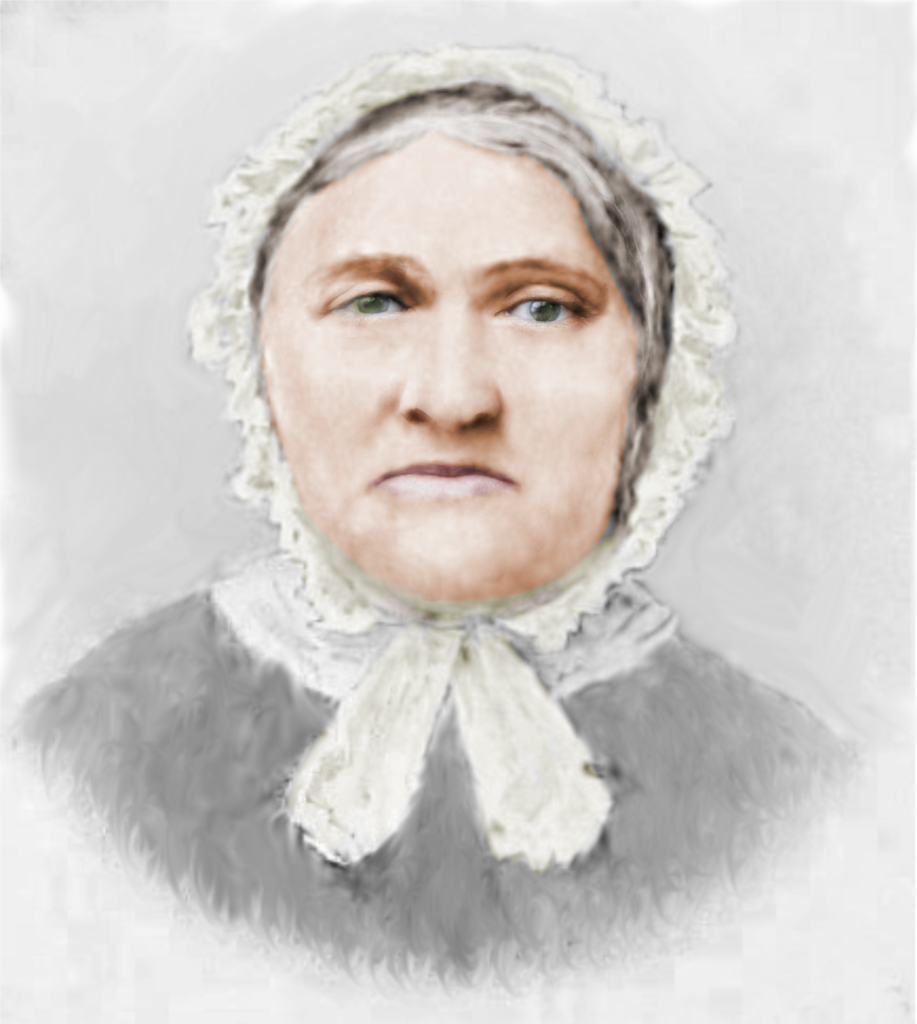
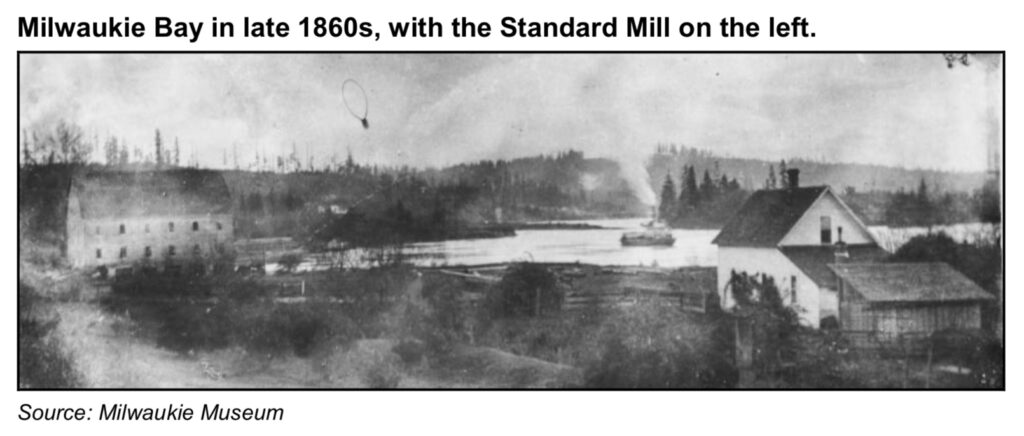
Phebe grew up surrounded by family who were deeply woven into Milwaukie’s history. Her grandfather, Orrin Kellogg, held a 640-acre land claim, ran a tannery, and grew fruit. He was known for his hospitality and for bringing Oregon’s first Masonic Charter to Oregon City.
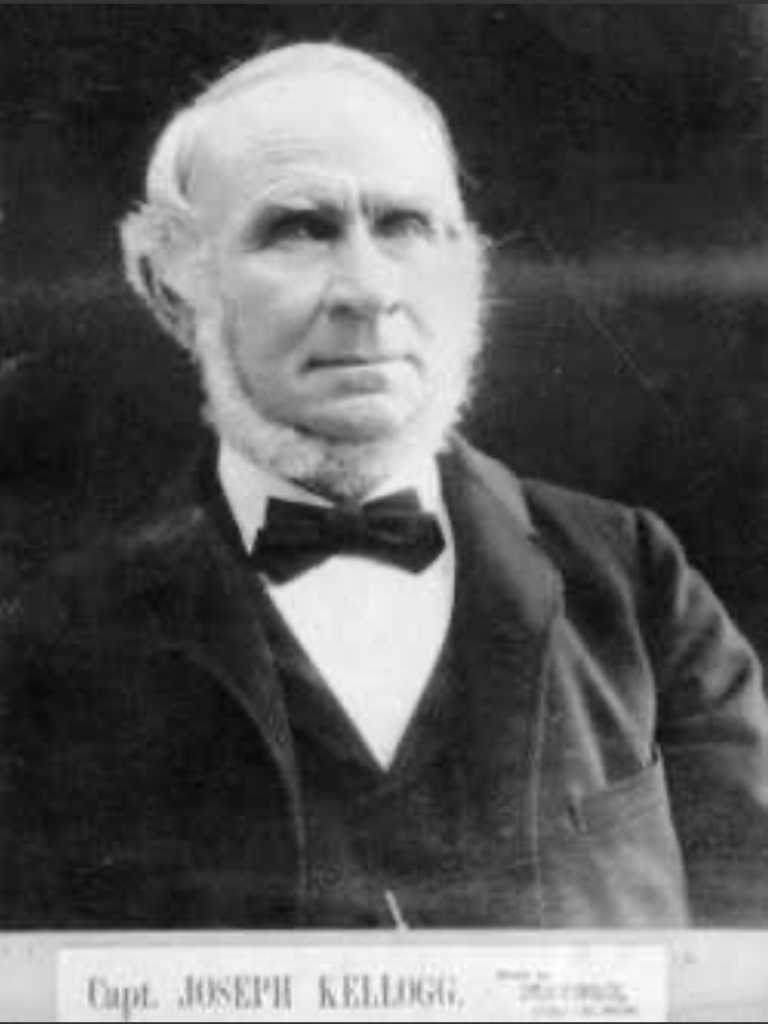
Her uncles were equally influential. Joseph Kellogg helped build Oregon’s first steamship, the Lot Whitcomb, in 1850, boosting Milwaukie’s standing as a shipping port. He also built Oregon’s first macadam road and owned the Northwest’s largest flour mill. George Kellogg was both a physician and a steamboat captain.
Phebe’s father, Daniel Hathaway, and her uncle Sylvester were skilled millwrights, building sawmills and flour mills that supported local trade. While Milwaukie and Portland were rivals, each added something essential to the story of Oregon’s early years.
Life in Benton County
By 1870, Phebe was living in Benton County, Oregon, near her father. She had married Henry N. Bowman, and they were raising a young family. The census that year lists Henry as a farmer with modest land holdings, Phebe as a 19-year-old keeping house, and their baby daughter, Iva.
Two more children followed: Lillian in 1871 and Daniel in 1874. By that time, the family had moved to The Dalles, an important Columbia River trade center. In 1879, they moved again to Rock Creek, near Olex, where Phebe’s father also lived.
Tragedy at Rock Creek
In March 1879, tragedy struck. While helping remove a huge boulder from a field, Henry Bowman was crushed when the stone gave way. It took nearly an hour to free his body. Phebe was pregnant with their fourth child, Henry Bert, born that November.
At just 30 years old, Phebe was a widow with four children. The shock of Henry’s sudden death was compounded by the reality of surviving on the frontier without a partner.
Marriage to Christian Fausel
In 1881, Phebe married Christian Fausel, a German immigrant and Civil War veteran. Christian had first settled in Illinois, served in the Union Army, and later moved west. Together, Phebe and Christian blended their families and welcomed a daughter, Louise, in 1882.
The small community of Olex became their home, a place where Phebe could start anew while still surrounded by family and familiar faces.
Move to Portland
Between 1882 and 1886, Phebe and Christian moved to Portland. The arrival of the Northern Pacific Railway had transformed the city into a growing commercial hub.
In 1889, Christian died, leaving Phebe widowed again. She supported her family by taking in washing and boarders, living in various homes in southeast Portland. By 1900, her household included several of her children and grandchildren, each contributing in their own way.
Phebe’s life in Portland reflected both change and continuity. She was no longer on the frontier, but she still faced the challenges of providing for her family.
Later Years and Legacy
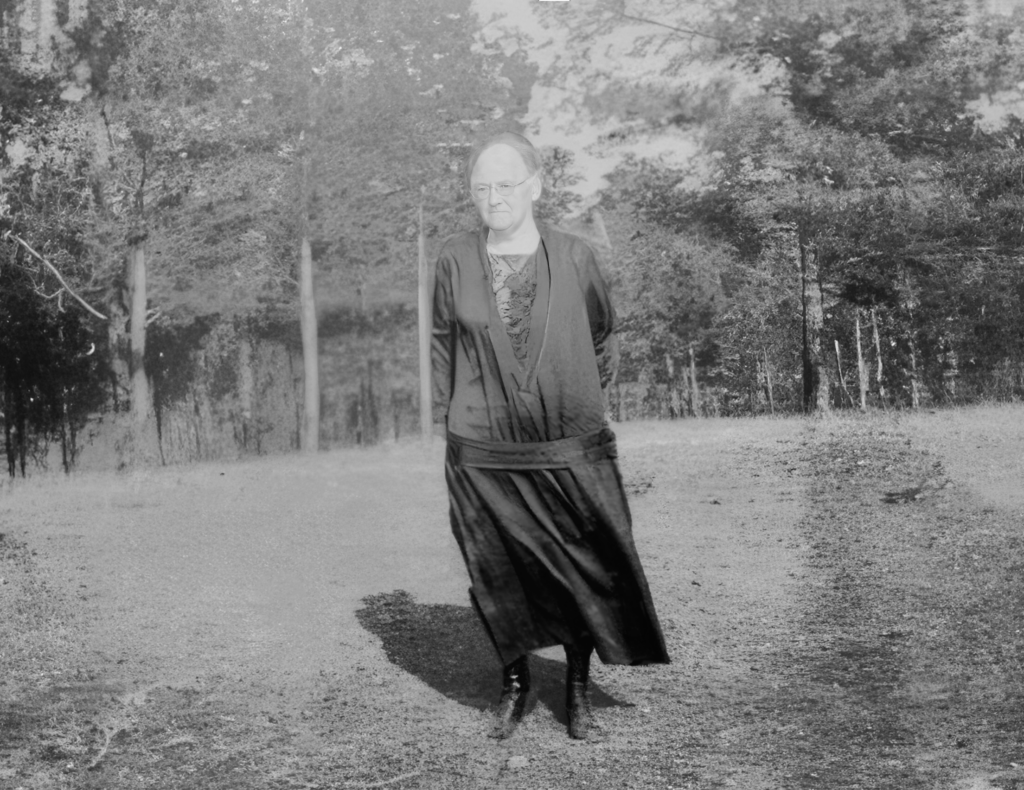
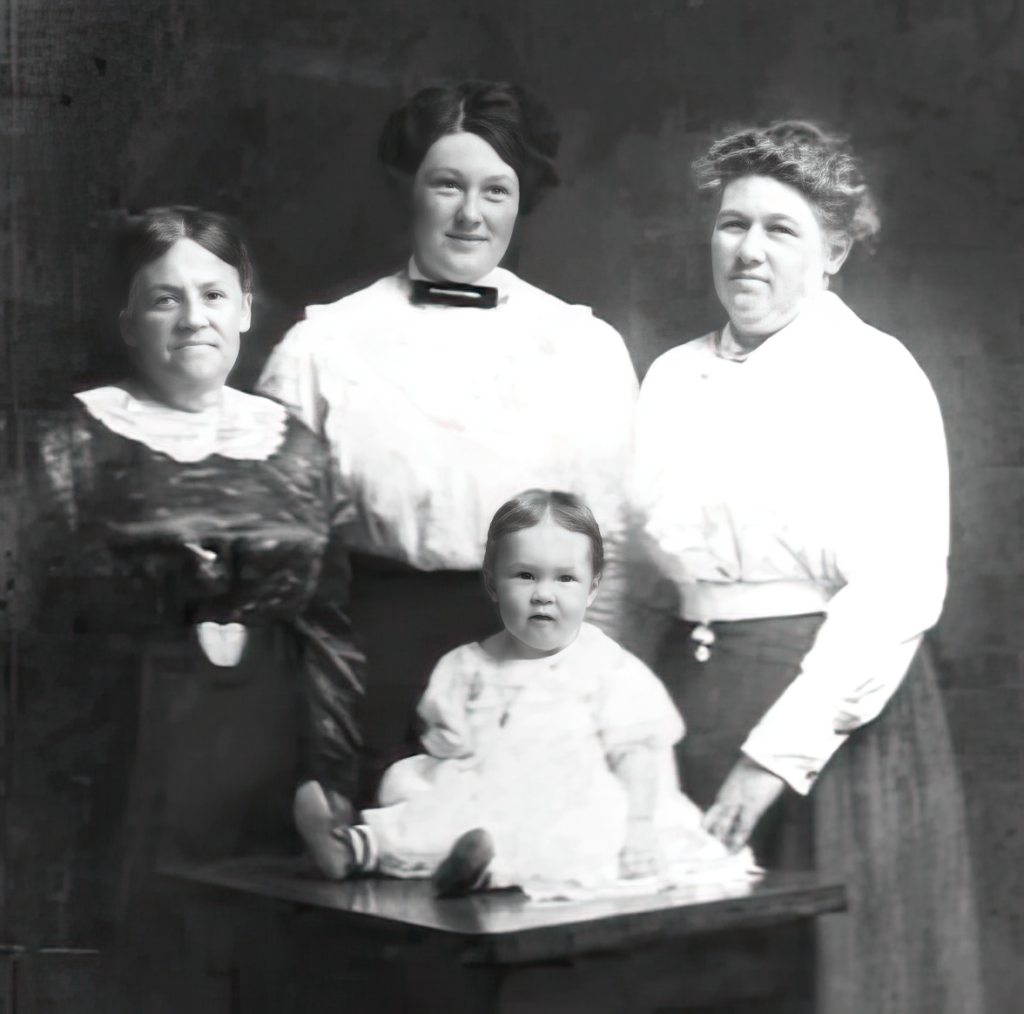
Phebe lived to see the turn of the century, the growth of Portland, and her children starting families of their own. She died in 1930 at the age of 80, having lived through some of Oregon’s most transformative years.
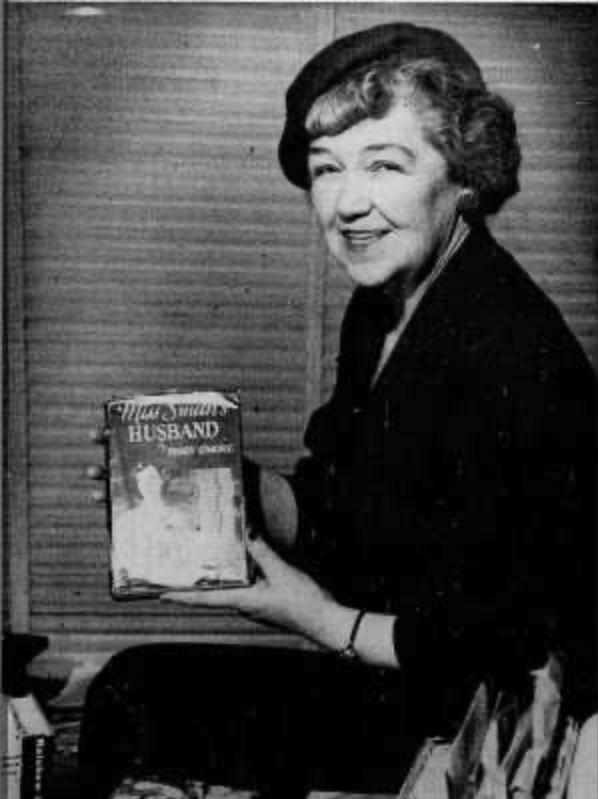
Her descendants carried her pioneering spirit forward. Granddaughter Peggy O’Moore became a prolific author of over 185 romance novels. Others, like Verna and Jewel, lived long, adventurous lives that reflected their grandmother’s determination.
Generations later, the family’s ties to Phebe’s story remained strong. On September 29, 2009, her great-great-grandson, Gail Warren Morrison, stood in front of his father’s old grade school in Rock Creek. He imagined the scene 126 years earlier, when Phebe married Christian Fausel nearby. In that moment, the past and present felt close, as if the footsteps of those pioneer years still echoed on the same ground.
Conclusion
Phebe Hathaway Bowman Fausel’s life spanned some of the most transformative years in Oregon’s history. From the muddy streets of early Milwaukie to the busy neighborhoods of Portland, she faced change, loss, and new beginnings with a steady determination. She worked, she adapted, and she left behind a family whose stories carried her spirit forward.
Her story stands with those of the many everyday men and women who built the Pacific Northwest through their labor and perseverance. Together, they shaped communities, forged connections, and left a legacy that still lingers in the places they called home.